There's a specific kind of panic spreading through design Slack channels right now.
Someone posts a prompt-to-image result. The output looks like a polished brand campaign. A packaging concept. A full apparel rollout. And someone in the thread types something like: "So… are we getting replaced?"
Most of the thread is just silence, sad emoji, and nervous jokes.
Here's the honest answer: no, you are not getting replaced by AI mockups. But some designers absolutely are getting replaced - not by the technology itself, but by other designers who figured out how to use it before they did.
That is a different problem. And it has a different solution.
What AI Mockups Actually Changed in Brand Design
Let's be specific about what happened, because the panic usually isn't.
AI mockups changed the speed and cost of visualization. A branding concept that previously required a photoshoot, a retoucher, and a three-day turnaround can now be placed on a product, a storefront, or an apparel flat-lay within the same afternoon the idea was sketched. That part is real. That part is not going away.
What AI mockups did not change:
- The thinking that goes into a strong brand concept
- The hierarchy decisions that make a logo readable at every size
- The color logic that makes a system coherent across twenty formats
- The judgment call on what to show a client, when, and how
AI mockups eliminated the bottleneck between concept and presentation. They did not eliminate the concept, the presentation strategy, or the person making decisions about both.
That distinction matters enormously, and most of the panic ignores it entirely.
The Real Thing That's Pushing Designers Aside Is Not AI
Here's what is actually replacing designers who get pushed out: their own poor presentation practices.
A designer who emails a flat logo file on a white background is not competing with AI. They are competing with a designer who dropped that same logo onto a packaging mockup, a tote bag, and a coffee sleeve, and showed the client what the brand actually looks like in the world.
One of those presentations gets approved faster. One of those designers gets called back for the next project.
This was true before AI mockups existed. AI mockups just made the gap between strong and weak presentation wider and more visible. The designer who presents in context closes faster. The one who presents flat files in a PDF and hopes the client imagines the rest keeps asking for "just one more revision round."
Nielsen Norman Group's research on imagery and realistic context makes the same point without the politics: when people see a product in the environment where it actually lives, they understand it faster and remember it longer. A logo on a packaging mockup is not decoration. It is a decision-making shortcut for everyone in the room who isn't a designer.
The AI is not pushing you aside. Your old presentation habits are.
How Smart Designers Are Already Using AI Mockups to Work Better
The designers who are not panicking right now are the ones who understood something early: AI mockups are a presentation tool, not a replacement for design thinking.
They use them the way a smart photographer uses good lighting - not to fake quality that isn't there, but to stop quality from being invisible.
Specifically, here is what the non-panicking designers do differently:
They present in context from the first round. Not flat exports. Not wireframe-level screenshots. They drop the concept into a realistic setting before the client review, so the question "what will this look like in real life?" is answered before anyone asks it.
They use mockups to reduce revision loops. When a client sees a logo on a business card, a hoodie, and a storefront sign in the same review deck, they make better feedback calls. Less "can we try it bigger?" and more "the weight looks right, let's approve." That is not a coincidence. That is what context does to decision-making.
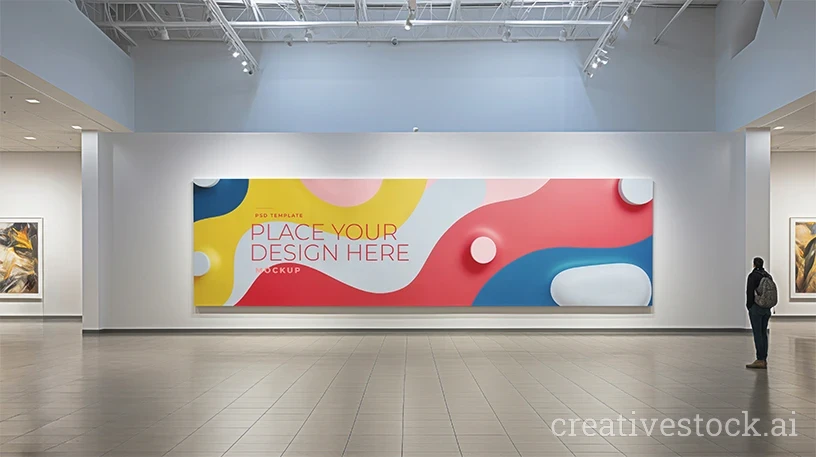
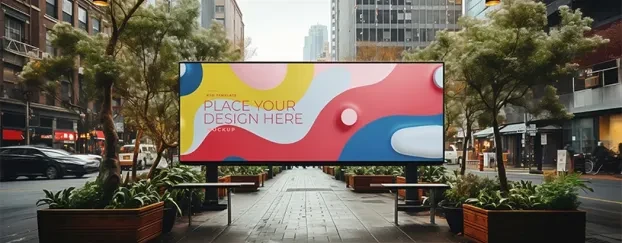
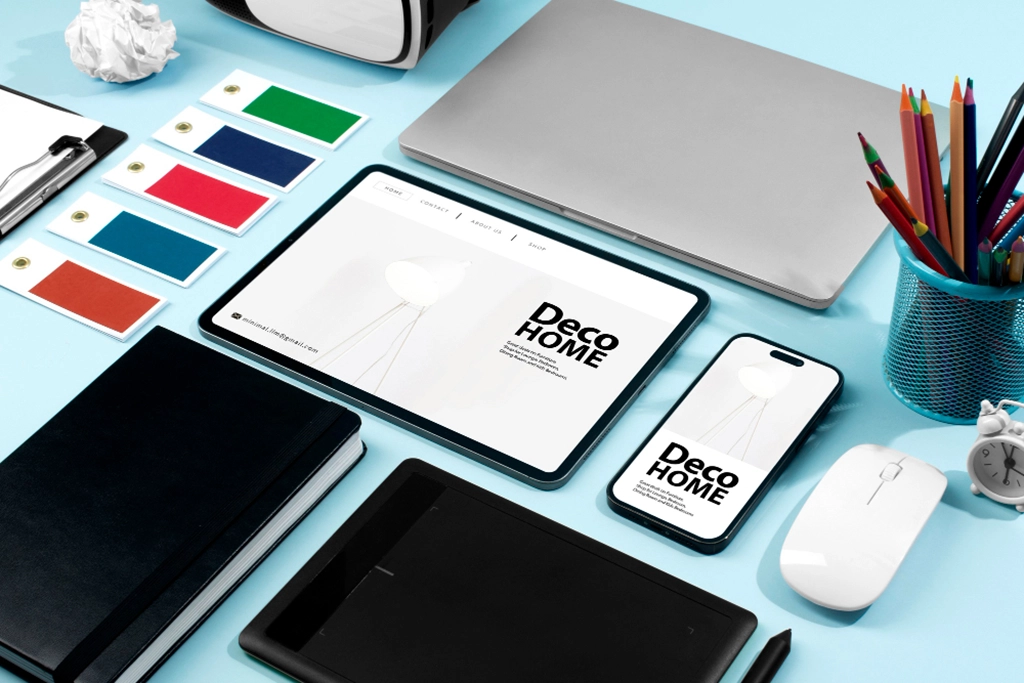
They treat the mockup library as part of their workflow, not a finishing touch. Browse CreativeStock mockups and you will notice the categories map directly to the moments in a brand rollout where clients get lost: packaging, apparel, devices, office materials, print. That is not random. Those are exactly the surfaces where "I can't visualize it" becomes "let's do one more round."
The Use Cases Where AI Mockups Change Everything
Not every design situation is the same. These are the ones where the shift from flat files to AI brand mockups is most dramatic.
Brand identity presentations. A logo system needs to live on surfaces to feel real. One concept presented across print materials mockups, packaging, and digital formats signals strategic thinking before anyone says a word. Flat logo sheets signal "here's the file, you figure it out."
Packaging and product launches. This is where AI mockups arguably cause the biggest competitive gap. A brand that can show a dieline concept on a realized bottle, pouch, or box on day one of the review process moves faster through stakeholder approvals than one that waits for production samples.
Apparel and merch presentations. Print placement, fabric contrast, size proportion — these cannot be judged from a flat graphic. Apparel mockups close that interpretation gap immediately and prevent the classic "it looked different in the design" feedback.
Digital brand rollouts. When a website, app, or campaign is being reviewed, showing the design on actual device and tech mockups changes the conversation from technical critique to strategic evaluation. That is where you want it.
What a Prompt Generator Can't Give You (But You Can)
Here is the part the AI-panic crowd usually skips: prompt-to-image tools produce scenes, not systems.
They can generate a convincing product shot in a lifestyle setting. They can produce something that looks like a brand campaign. What they cannot do is ensure that the logo holds at 16px, the color values work across CMYK and RGB, the type hierarchy survives a poor-contrast background, or the design system scales coherently across forty assets over twelve months.
AI mockup generators fill in plausible visual gaps. Designers fill in necessary strategic ones.
The work that gets replaced by AI prompts is not senior design work. It is shallow visual decoration with no system behind it. If the sum total of the design contribution is "it looks nice," a generative tool is a credible substitute. If the contribution is "here is a brand system that solves a specific communication problem across every surface it will ever appear on," it is not.
Smashing Magazine's breakdown of what makes a brand system actually work puts it plainly: customers don't experience individual touchpoints, they experience the entire brand at once. A prompt generator can produce a scene. It cannot maintain the logic that makes every surface of that brand feel like it belongs to the same story. That coherence is designer work — and clients feel its absence immediately, even when they can't name it.
The Question No Designer Wants to Ask Out Loud
Here's the one most people avoid:
"Is AI replacing me, or have I already been replaced by my own flat-file habits?"
Because that is the actual question underneath the panic.
If the answer is uncomfortable, the fix is practical: stop presenting design as files and start presenting it as decisions. Use the surfaces clients actually care about - packaging, apparel, devices, print materials - and show your work in those contexts before they have to imagine it.
AI mockups make that faster and cheaper than it has ever been. The designer who refuses to use them is not protecting some creative purity. They are voluntarily slowing down their approval cycles and handing the competitive ground to someone who made a different choice.
FAQ
Are AI mockups replacing professional designers?
No. AI mockups are replacing the presentation gap between concept and approval. Designers who use them are faster. Designers who don't are not more authentic - they are just harder to approve.
What's the difference between AI-generated mockups and using a mockup template library?
Prompt-based AI generates unpredictable, non-standardized scenes. A curated mockup library gives designers consistent, high-resolution, production-ready surfaces that are reliable across a brand rollout. For professional presentation work, that consistency is not optional.
Will AI tools eventually replace the need for mockup templates too?
For commercial design work that has to be accurate, consistent, and scalable? No. The scene-generation capabilities of prompt tools do not meet the dieline accuracy, resolution, and lighting consistency that professional presentation and approval work requires.
Final Thought: The Tool Doesn't Threaten You - Your Inertia Does
The designers who are genuinely at risk in the current environment are not at risk because AI mockups exist. They are at risk because they have not updated how they present work, and the clients have noticed.
Showing a concept in a realistic context is not a trick. It is how good work survives client review. It is how approvals happen faster. It is how "can we try it a different way?" gets replaced by "yes, let's move forward."
If your presentation process currently ends with a PDF attachment and a prayer, that's the thing to fix.
The mockup library is already there. The surfaces clients care about - packaging, apparel, devices, print, office materials - all of it is ready to drop a design into.
The only question is whether you use it before someone else does.