
Let me guess. You sent your estimate, the client gasped like you’d asked for their firstborn, and now you’re in another “quick call” to “clarify scope.” Classic design pricing standoff. I’ve been in this business long enough to remember when clients faxed briefs and paid deposits without flinching. Today? Everyone’s a “brand strategist” with a cousin who “does logos in Canva.” (Good for the cousin. Bad for your margins.)
Here’s the blunt truth: designers sell work, clients buy outcomes. If you don’t close that gap, you’ll keep arguing about money until your Wacom pen turns to dust. The new economics of creative work punishes fuzzy value, rewards clarity, and annihilates anyone clinging to “hourly plus vibes.” Your job is to speak money, not just kerning.
The mismatch you keep ignoring (and paying for)
Clients don’t care how many revisions, how many artboards, or which Pantone book you sniffed in college. They care about fewer returns on packaging, more clicks on a product page, faster fundraising with a sharper pitch deck. You’re selling pixels; they’re buying proof. If your proposal reads like a time sheet instead of a business case, you trained them to nitpick every line item.
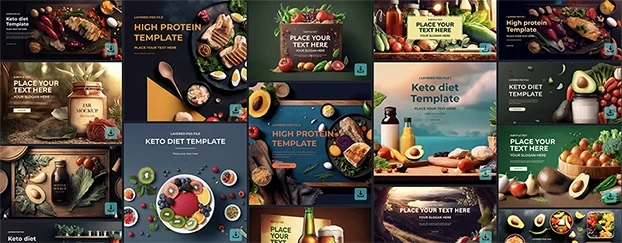
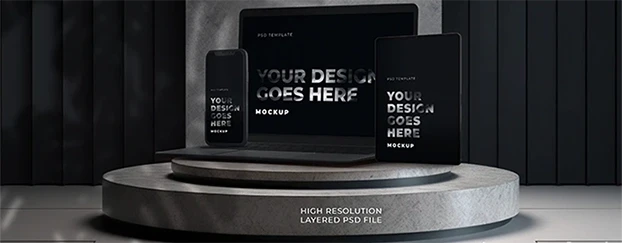
You can short-circuit that behavior with three things: visible outcomes, fast previews, and reduced uncertainty. Showing polished, ready-to-use templates or high-fidelity mockups early makes the value tangible and de-risks the buy on their side - because they can see the destination, not fund your journey. That’s why marketplaces built around AI-generated assets and graphic design assets that are pre-composed and customizable convert: they collapse the distance between “brief” and “result,” which clients instinctively trust.
Pricing psychology 101 for designers (that no one taught you)
People don’t judge price in a vacuum; they compare it to an anchor. If your first number is a timid “ballpark,” you’ve anchored low and doomed yourself to death by scope creep. Lead with a confident, outcome-labeled package:
- Revenue Package - “Rebrand + launch system to recover abandoned carts and raise AOV.”
- Trust Package - “Visual identity + product visuals to raise perceived quality and reduce returns.”
- Speed Package - “Campaign system to ship in 7 days without sacrificing brand consistency.”
Notice there’s no hourly. No “two logos, three rounds.” It’s outcomes and business levers, tied to value-based pricing design. Clients will negotiate features; they respect value. The more your deliverables map to measurable outcomes, the less they’ll haggle on the number.
Also: set contrast options. Present a premium tier that feels complete (and expensive), a middle tier that screams “smart buy,” and a minimalist floor to catch budget shoppers. Most clients will choose the middle - the one you wanted anyway. For a deeper dive on anchoring, this breakdown is gold.
Client budget expectations: why they sound offended
Budget “shock” usually means one of two things: either (1) they can’t visualize the finish line, or (2) they assume design is a commodity. You fix both with evidence of finish.
Stop sending wireframes as if they’re inspirational. Wireframes remind clients how far they are from done. Show instant design previews with near-final visuals, even if they’re built from customizable templates or high-fidelity mockups you adapt in minutes. The psychological effect is wild: the conversation jumps from “why is this so expensive?” to “can we swap this scene for a countertop shot?” - aka real progress. (Yes, leverage pre-built assets to move faster without dumbing down quality. That’s called being a professional who values time.)
Creative pricing communication that actually works
Here’s the script I wish someone handed me 15 years earlier:
- Define the business stakes in their words. “You’re losing signups because the product looks cheap on mobile. We’ll fix that perception.”
- Show a believable preview early. “Here’s a realistic packaging mockup on shelf, plus a social variant. This is the level of polish you’re buying.”
- Name the hidden costs of delay. “Every two weeks you don’t ship this, you burn paid traffic on weak visuals.”
- Price the result, not the hours. “This package is designed to lift conversion and reduce returns - flat fee.”
- Give one concession you don’t mind giving. “We’ll include a post-launch tweak window. After that, ongoing iteration is retainer.”
That’s creative pricing communication: concrete stakes, visual proof, and a number attached to outcomes. Your confidence becomes their confidence. Your wobble becomes their discount.
Negotiation for designers: stop bargaining, start trading
You’re not at a flea market. If they ask for a lower price, don’t say no - trade.
- “We can hit that number if we remove video cutdowns and keep stills.”
- “We can do two product lines instead of four, same timeline.”
- “We’ll switch to a pre-composed scene and skip a custom photo shoot.”
Every trade ties back to outcomes. You’re not cheaper; the scope is smaller. This protects your margins and teaches the client that pricing conflict in design projects isn’t a moral fight - it’s math.
Design pricing negotiation tips you can use by Friday
- Frame time as risk. “Hourly is unpredictable; fixed outcome reduces your variance.”
- Bundle feedback. “Two review windows. Collate internally first.”
- Expire proposals. Anchors decay fast; put a date on them.
- Always hold one feature in reserve. It’s your built-in trade chip.
Why clients resist design prices (and how to dismantle it)
Three reasons: uncertainty, invisibility, legacy stories.
- Uncertainty: They don’t know if they’ll like the outcome. Fix: Show a believable preview (no-photoshoot mockup, packaging-on-shelf, device-in-hand).
- Invisibility: They can’t track what they’re buying. Fix: Roadmap in milestones tied to visible artifacts (styleframes, key visuals, final system).
- Legacy stories: Their last designer ghosted them or over-promised. Fix: Add small, guaranteed wins early (e.g., “Day 3: social teaser set ready to post”).
When clients see a time-saving design workflow that moves from concept to launch fast - without sacrificing craft - the price stops feeling like a gamble.
Value-based pricing design: the simple math you’re avoiding
If your work adds $100k in revenue, charging $15k is not “expensive.” It’s generous. But you need an honest model:
- Assumption: Better product visuals increase PDP conversion from 2.2% → 2.8%.
- Traffic: 120k sessions/month.
- AOV: $48.
- Impact: 0.6% x 120k = 720 more orders → ~$34,560/month.
Now your design pricing is pegged to a slice of upside, not your caffeine intake. Present it that way. Include a de-risk clause: “If we miss the lift by 20%+, we’ll iterate scenes for free next month.” For background on value-based pricing design, this primer is the right starting point.
“But they want it tomorrow” - use speed without going sloppy
Rushing doesn’t have to mean bad. It means reuse intelligently. Start from AI templates, then customize. Start from premium mockups, then art-direct the lighting, angle, and texture to match the brand. The output looks bespoke because your taste is; the pipeline is simply not masochistic. That’s the modern stack: AI-assisted base, designer-perfected finish, professional result - fast. Clients care about that combo because it ships work and protects quality.
A one-page framework to end money fights
- Outcomes: Define in one sentence (revenue, trust, speed).
- Evidence: Show a preview (mockup/template adaptation) in the first meeting.
- Packages: Three tiers, named by outcomes, not deliverables.
- Price: Flat, justified by impact math.
- Trades: Pre-decide what you can remove if they push back.
- Milestones: Each unlock produces a visible asset.
- Post-launch: One iteration window, then retainer.
Need starter files you can try for free? Grab a set, adapt, and ship something small this week.
FAQ
1) How do I explain pricing to clients without sounding defensive?
Lead with outcomes: “This engagement reduces product returns and lifts conversion by improving perceived quality.” Show a realistic preview immediately - adapt a near-final mockup or template to their brand so they can see what they’re buying. Offer three outcome-named packages with a fixed fee and one flexible trade per package. Finish with impact math (simple revenue model) and a small de-risk clause. If you keep stumbling over the same design pricing landmines, audit your proposal once and reuse the winning structure.
2) What if the client’s budget is way below market?
Trade, don’t discount. Reduce scope in ways that protect outcomes: fewer scenes, fewer product lines, or using pre-composed mockups instead of custom shoots. Keep the timeline and polish, cut the variables. If they still push, hold your line - low budgets without outcome alignment become portfolio liabilities and support tickets, not case studies.
3) Can I use AI-generated assets or templates without looking generic?
Yes - if you art-direct them. Treat assets as starting points: adjust lighting, perspective, texture, and brand elements. Clients don’t reward suffering; they reward results. The hybrid approach (AI-assisted base + designer finish) is exactly how modern teams deliver speed and quality at once - and how they make the economics work in 2026. It saves time, keeps craftsmanship, and gives clients the confidence that what they see is what they’ll ship.
Final word (from the cranky old designer who still cares)
Stop dragging clients through your process. Drag outcomes into the room. If you anchor high, preview early, package by results, and trade instead of discounting, you’ll spend less time defending invoices and more time making work that pays you back. The fight over design pricing ends the minute you make value undeniable - and visible. If you’re done haggling and want a clear, outcome-based deal, check our pricing.