
Here’s the part you don’t want to hear: client trust in designers rarely comes from your ethereal “taste” or your tortured process. It comes from speed - visible, repeatable speed. Deliver in hours instead of days, and watch how “Can we hop on a call?” turns into “We’ve wired the deposit.” I wish it weren’t true. I spent years polishing concepts no one asked for while the quick, blunt designer down the hall shipped work and collected referrals. Eventually I stopped sulking and learned the psychology behind it. Spoiler: clients aren’t grading your soul; they’re measuring how quickly you reduce their uncertainty. That’s it.
Clients Don’t Buy Beauty First - They Buy Relief
You think they’re buying your color theory. They’re actually buying a solved headache. The faster you make their problem smaller - landing-page hero, packaging mockup, investor deck sleeve - the more credible you look. This is basic design trust psychology: we trust what reduces our anxiety now. When a designer ships a tangible draft within 24 hours, the client’s brain flags them as “competent,” “organized,” and “safe.” Not because the draft is perfect, but because it proves the project is moving. If you want a primer on the workflow that enables this, start with instant design thinking - prototype reality early, then refine.
That “proof of motion” is the most persuasive asset you own. A beautiful Figma file no one sees is worthless. A decent mockup they saw this morning? That’s client confidence design in action.
Speed vs. Quality: You’re Thinking About It Backwards
No, speed doesn’t mean sloppy. It means sequencing quality so the client feels momentum first. Early, fast deliverables establish guardrails and buy you trust - trust you later spend on refinement. From the outside, it looks like speed vs quality client perception; on the inside, it’s quality delivered in the order their psychology needs. Give them a quick visual of the direction (even a rough AI-powered mockup), then negotiate the pixel-peeping once they’ve relaxed. That’s not cutting corners; that’s reading humans.
And before you clutch your pearls: modern tools and ready-to-use templates exist precisely to get you that first credible draft, fast, without tanking quality. Use them. You’re a designer, not a martyr.
The Trust Ladder: Four Rungs to Climb - Fast
- Show Up With Something Visual.
Words don’t calm clients; visuals do. A quick homepage header, a packaging front, a 3D AI mockup - anything the client can see. Skip the essay. Ship the image. - Name the Constraint Out Loud.
“This is Version 0.3 focusing on layout and hierarchy only.” You’ve framed expectations, which quietly reduces scope panic. That framing is a trust-building in design move, not a caveat. - Make the Next Step Obvious.
“Choose A or B by tomorrow; I’ll refine the winner.” Micro-commitments build macro-trust. Clients don’t want a maze; they want rails. - Automate the Repetitive Stuff.
Use customizable systems for social, pitch decks, and ads so the brand system propagates quickly. You’re allowed to be efficient. In fact, you’re hired to be.
Why “Talent” Loses to Tempo
“Talent” is invisible until the end. Speed is visible immediately. Clients can’t reliably evaluate creative excellence, but they can count hours. Deliver fast twice and the brain labels you “trustworthy,” which becomes a self-fulfilling loop: they respond faster, approvals move faster, and yes - budgets get looser. That’s designer trust psychology at work.
If you want the macro proof that iterative design cadence drives outcomes, McKinsey’s take on the business value of design shows how design maturity and tempo correlate with superior business performance.
Meanwhile the “artiste” dithers, and the project dies in a thousand Slack messages. I’ve been that artiste. It’s lonely and unpaid.

Practical Speed: What to Ship in the First 48 Hours
- Hour 4–6: Directional moodboard + first hero concept. No essays. One paragraph on intent.
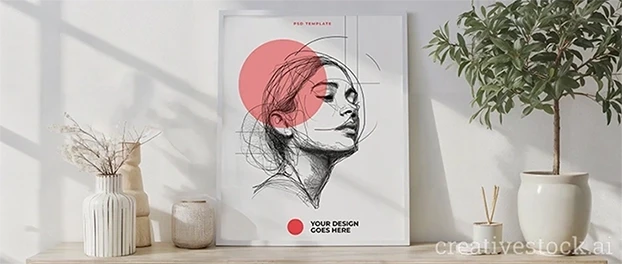
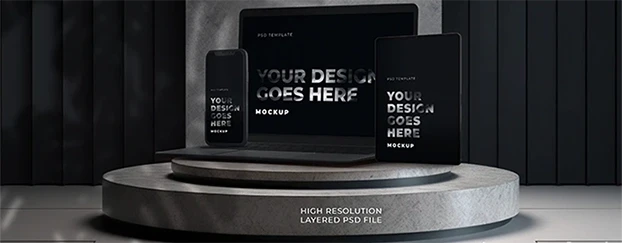
- Hour 12–18: A high-resolution packaging mockup (key scene) that previews the brand in context. If you do packaging, show the shelf. If you do web, show mobile first.
- Hour 24–36: Two alternates exploring type/contrast extremes. Keep the rest constant so the decision is easy.
- Hour 36–48: A micro-system: H1/H2, buttons, card, and one social tile. This is the “we’re building a machine, not a poster” moment.
This is how speed builds client trust as a habit, not an accident.
Communication: The Hidden Multiplier
Trust is as much about design communication trust factors as pixels. Steal my script:
- Subject line: “You have options: A (Bold), B (Clean). 6-min review.”
- Body: “This is a proof-of-direction, not polish. Pick a lane; I’ll make it pretty. Three sentences, one Loom if you must.”
- Attachment order: 1) Context mockup, 2) Variant A, 3) Variant B.
Why this works: you reduce cognitive load and signal leadership. Clients trust leaders. Leaders decide. For a deeper dive into process cadence, here’s more on fast design delivery and how it shapes perception.
Tools That Buy You an Hour (or Ten)
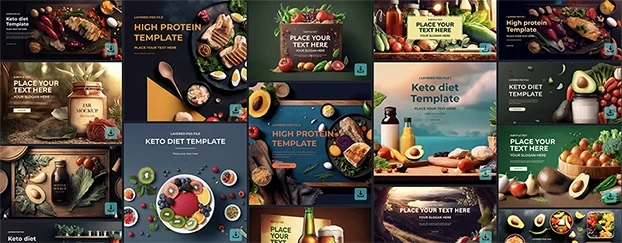
You don’t need a new personality; you need faster inputs. Keep a bench of graphic design assets, AI-generated assets, and premium mockups that slot into your process. Start from an on-brand template, not from pain. That’s not “cheating”; it’s called a competitive advantage - and yes, it’s the premise of modern creative marketplaces that combine AI generation with designer curation so you get pro-level visuals without reinventing the wheel. Translation: quality and speed, together. For a crisp refresher on the UX impact of tempo, here’s why speed matters.
Objections I Hear (And Why They’re Excuses)
- “Fast looks cheap.” Only if you mistake final polish for first proof. Fast is how you earn permission to polish.
- “Clients will expect instant everything.” Great. Then charge for turnaround tiers. Price your client psychology creative work with timelines, not just deliverables.
- “AI makes everyone look the same.” Tools don’t make sameness; lazy inputs do. Use AI to accelerate exploration, then inject your taste where it matters.
A Mini-Playbook for Trust on Every Project
- Define the finish line in verbs, not vibes. “Increase paid trial signup click-through 15%,” not “Make it modern.”
- Prototype the moment of truth. If the goal is shelf impact, mock the shelf. If it’s CTR, mock the ad. (why clients trust fast designers is because they see their moment solved.)
- Batch decisions. Group choices by theme (typography round, imagery round). Decision fatigue kills trust.
- Systematize your first mile. Build a reusable “Day-1 kit”: cover slide, landing hero, packaging front, three social sizes. Make it marketing-ready by default.
- Narrate trade-offs clearly. “Option A maximizes legibility at distance; Option B favors brand personality.” Clients trust designers who speak in constraints.
FAQ
1) How do I get faster without tanking quality?
Build a reusable “first-48” kit: a moodboard frame, two hero layouts, a mobile-first section, and three context mockups. Start every project with that kit, then customize. Lean on ready-to-use templates and curated AI mockups for the opener; pour craftsmanship into the approved direction later. This turns “talent vs speed” into “talent after speed” - the only order clients actually trust.
2) What should I say to set expectations (and keep trust high)?
Use this line: “You’ll see a proof-of-direction in 24 hours; we’ll refine typography and polish once you pick a lane.” Then give two options, not ten. Attach a context mockup first, because clients trust what looks real. This is classic trust-building in design - lower uncertainty, then iterate.
3) What metrics prove to a client that my speed is valuable?
Track and report: time-to-first-visual, number of decisions per week, and rounds-to-approval. When those go down, conversions and launch velocity go up. Tie your speed to business outcomes (“We shipped in 9 days, organic signups +12%”), and you’ll never again have to argue about “talent.” That’s client perception of fast design work quantified.
Final Word
If you want the bitter truth from a grumpy veteran: ship something they can react to today. That’s how client trust in designers is earned. Talent can wait a day; deadlines won’t.
P.S. Modern creative marketplaces that blend AI generation with human curation exist so you can stop reinventing the wheel and start looking like a professional under pressure. Use them, proudly. If you’re serious about locking speed into your process, check the pricing tiers that reward fast turnarounds and clear scopes.