A packaging design can look sharp on your screen and still fall apart the second a client tries to picture it as a real product. That is the part too many designers ignore, right up until they send a flat layout and get the usual reply: “Can we see how this would look in real life?”
Of course they want to see it in real life. Clients do not approve packaging from a flat file. They approve what they can understand, compare, and trust.
That is why packaging mockups for branding presentations matter. Not because mockups make your deck prettier. Because they help people make decisions without dragging you through five rounds of confused feedback.
The best packaging mockups for branding presentations are the ones that match the product type, context, and decision stage.
And here is the question most designers should ask before the client starts hesitating:
What if my packaging design looks strong on screen - but completely falls apart the moment a client tries to imagine it as a real product?
Then the design presentation failed. That is the real issue.
If you are still sending flat packaging artwork and expecting the client to mentally assemble the final product, that is not efficiency. That is wishful thinking with alignment guides.
Why Packaging Presentations Fail Even When the Design Is Good
A lot of solid work gets delayed because the client never really sees the packaging.
They see artwork.
They do not see an object.
They see a layout.
They do not see something ready to launch.
That gap is where packaging mockups for client approval do the heavy lifting.
If you do client work, use packaging mockups for designers because they solve the approval problem clients never explain properly: they cannot judge scale, material feel, shelf presence, or perceived value from a flat design alone.
This is not just a packaging issue. It is a decision-making issue. Stakeholder buy-in, support, alignment, and approval are central to whether work moves forward, which is exactly why presentation matters as much as execution. NNGroup’s guide on how stakeholders make design decisions supports the same point: people approve work more confidently when communication, alignment, and shared understanding are built into the process.
If you are presenting a branding system, use product packaging mockups because they solve visualization failure before it turns into pointless revisions.
That is where product packaging mockups become essential - especially when you need to show structure, scale, and real-world application clearly.
Quick Picks: Best Packaging Mockups by Scenario
For food packaging
Use pouch mockups and carton mockups.
Why: food branding needs appetite appeal, fast legibility, and clear variant distinction.
For beauty packaging
Use bottle mockups, jar mockups, and box mockups.
Why: beauty presentations need premium feel, material clarity, and polished close-up detail.
For beverage packaging
Use can mockups and bottle mockups.
Why: beverage branding needs strong recognition and quick shelf impact.
For supplements
Use tub mockups, bottle label mockups, and carton mockups.
Why: supplement packaging needs trust, hierarchy, and clean communication.
For launch presentations
Use hero mockups plus shelf or lineup views.
Why: clients need to see both polish and real-world context.
Those are the best packaging mockups for branding presentations when the goal is approval, not decoration.
Best Packaging Mockups for Branding Presentations by Type
Box mockups
When to use them: folding cartons, rigid boxes, skincare kits, supplements, cosmetics, premium retail products.
What problem they solve: they show panel balance, structure, hierarchy, and premium positioning.
If you are presenting a boxed product, use box-based product packaging mockups because they solve the client’s fear that the design will feel flat or cheap once applied to a real pack.
Pouch mockups
When to use them: coffee, snacks, powders, pet food, dry food, wellness products.
What problem they solve: they show how branding performs on flexible packaging and whether the front panel still reads clearly.
If you are working on food or wellness branding, use pouch-style packaging mockups for client approval because they solve readability and retail realism fast.
Bottle mockups
When to use them: beverages, oils, skincare, haircare, household liquids.
What problem they solve: they show curvature, label scale, cap balance, and visual presence.
If you are doing bottle-based branding, use bottle packaging mockups for designers because they solve the classic problem where a clean layout suddenly feels awkward on a cylindrical form.
Jar mockups
When to use them: creams, masks, candles, scrubs, spreads, supplements.
What problem they solve: they show lid-to-label proportion and whether the branding still feels intentional on a compact form.
If you are designing for short-format packaging, use jar product packaging mockups because they solve proportion issues before the client starts requesting “small refinements” that wreck the design.
That is the point of mockups for client presentations: choose the format that removes the exact doubt blocking approval.
Match the Mockup to the Product Type or Prepare for Bad Feedback
This is where designers create extra work for themselves.
They choose a stylish mockup instead of a relevant one. The client gets confused, asks for more views, more options, more reassurance, and suddenly your clean presentation turns into a swamp of revisions.
Food packaging
Use pouches, cartons, cans, trays, or label-applied containers.
Food branding needs appetite, clarity, and fast scanning. The client must understand the logo, flavor, claim, and product type immediately.
If you are doing food packaging, use front-facing product packaging mockups because they solve legibility and shelf competition.
That is where packaging mockups for client approval become essential - especially when you need to prove that the design reads quickly and holds up in a crowded retail environment.
Beauty and skincare packaging
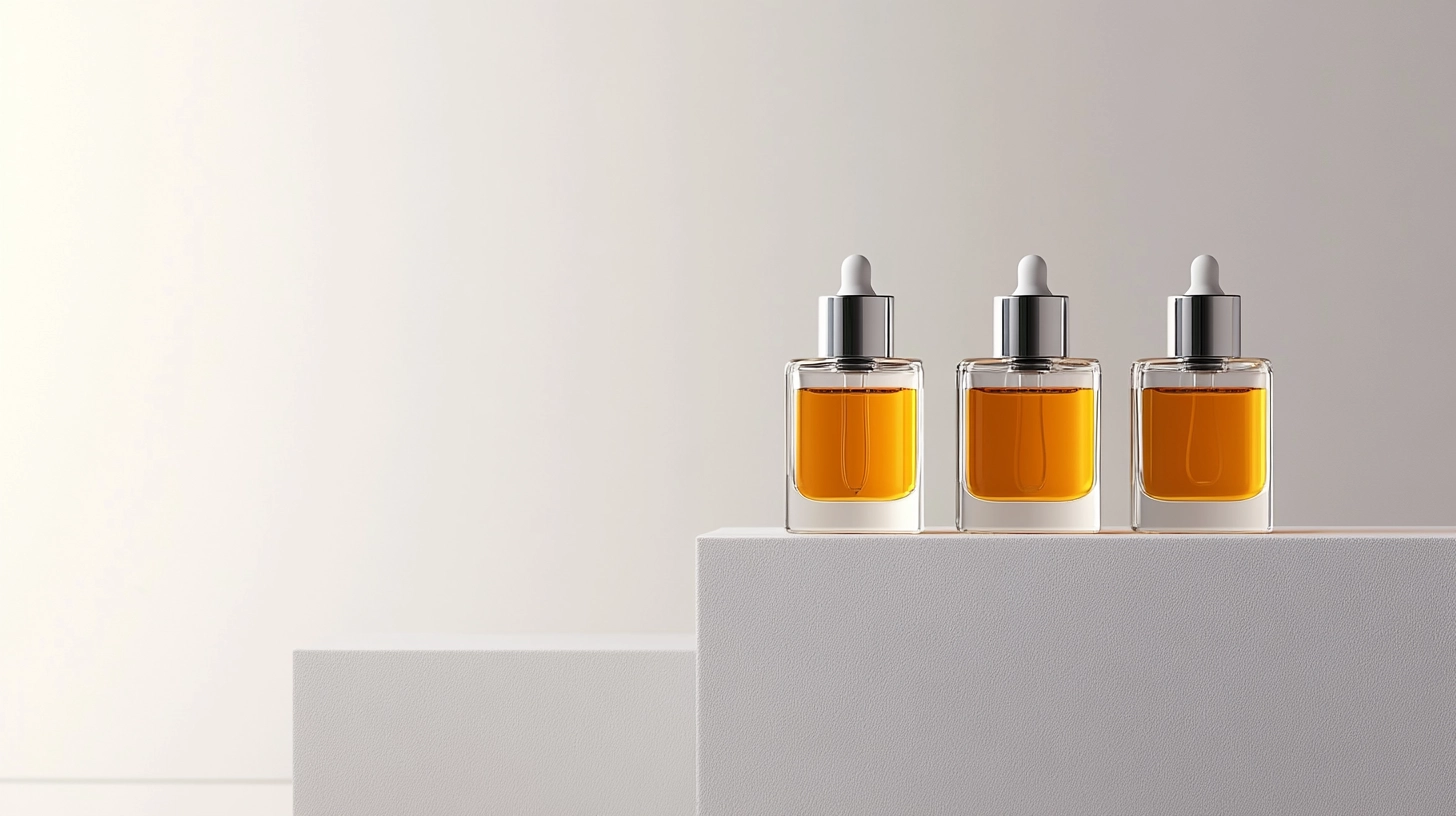
Use dropper bottles, pump bottles, jars, tubes, and premium cartons.
Beauty clients are buying perception. They want the brand to feel premium, controlled, and expensive without saying that too bluntly.
If you are doing beauty packaging, use close-up branding packaging mockups because they solve premium-feel anxiety.
That is where packaging mockups become more than presentation tools - they become proof.
Beverage packaging
Use cans, glass bottles, PET bottles, and multipack boxes.
Beverage branding has to work fast. Shape, contrast, and visibility matter more than designers like admitting.
If you are doing beverage work, use bold packaging mockups for designers with hero angles because they solve standout and memorability.
Supplements and wellness packaging
Use tubs, pouches, bottles, and clean cartons.
Supplements need trust before anything else. The presentation has to feel clear, credible, and controlled.
If you are doing wellness packaging, use clean packaging mockups for client approval because they solve credibility problems before they become hesitation.
Context Decides Whether the Client Feels Confident
Picking the right pack format is only half the job. Context decides whether the client can actually make a decision.
Close-up mockups
When to use them: when the client needs to inspect typography, hierarchy, material feel, or finish.
What problem they solve: they remove doubt around detail and craftsmanship.
If you are selling premium quality, use close-up product packaging mockups because they solve the fear that the design only works from a distance.
Hero mockups
When to use them: when the client needs to feel the product as a finished, market-ready object.
What problem they solve: they create emotional confidence.
If you are pitching brand value, use hero-style mockups for client presentations because they solve the “Can I imagine this in the market?” problem.
Shelf or lineup mockups
When to use them: when the client needs to evaluate variants, portfolio consistency, or shelf impact.
What problem they solve: they show whether the packaging survives real comparison.
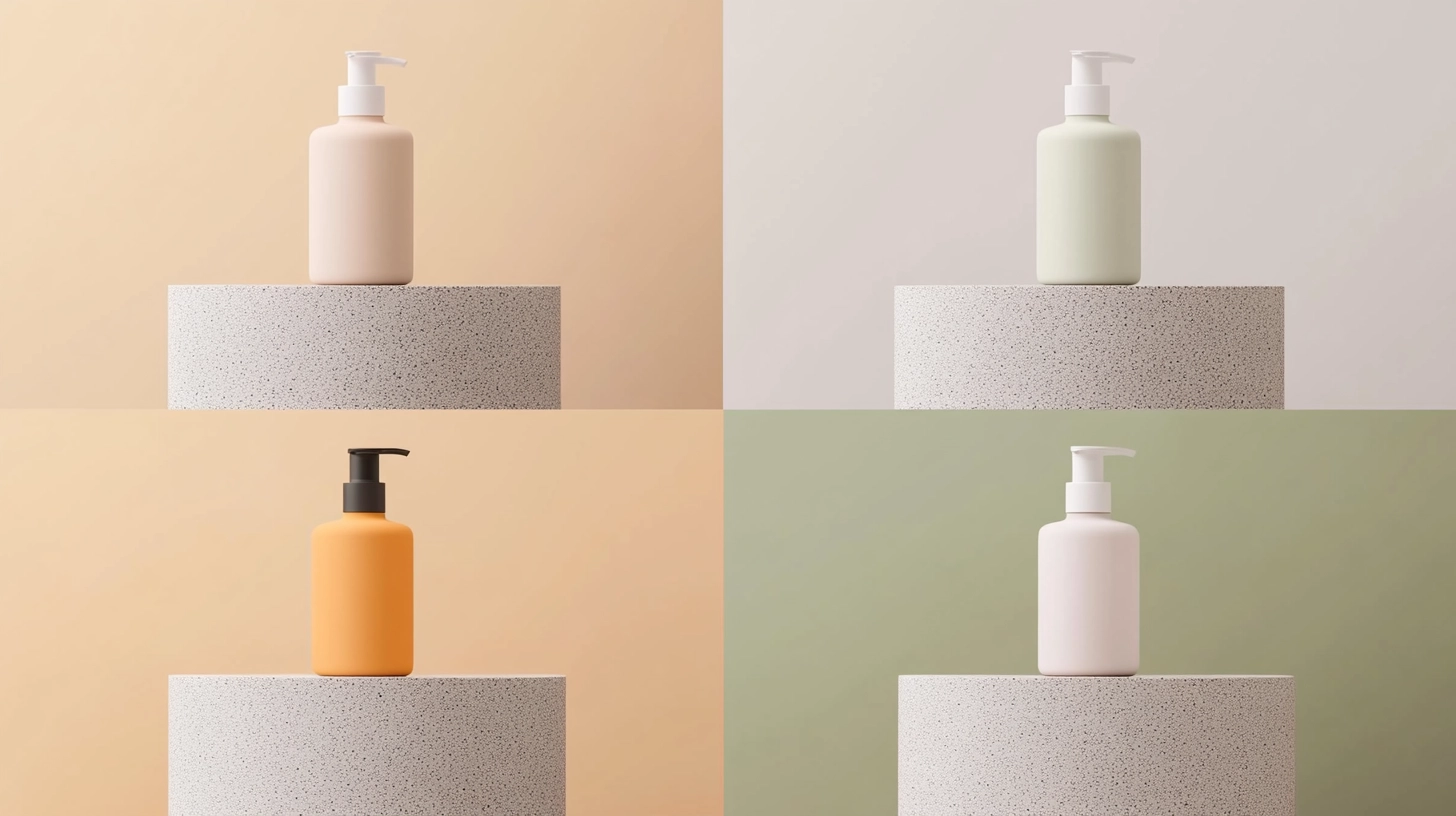
If you are presenting multiple SKUs, use lineup packaging mockups for designers because they solve system consistency and comparison.
That is where product packaging mockups become essential - especially when you need to show not one nice object, but an approval-ready packaging system.
How to Present Packaging Design to Clients Using Mockups
Do not dump ten pretty scenes into a deck and call it a strategy. Build the sequence around the decision you need.
1. Start with the flat design
Use it briefly.
Why: it shows the branding system clearly before context enters the conversation.
2. Show the isolated product view
Use an isolated product packaging mockup next.
Why: it solves scale, wrap, and structure questions immediately.
3. Show the premium hero view
Use a polished hero mockup after that.
Why: it helps the client connect with the product emotionally.
4. Show the real-world context
Use shelf, lineup, or retail-adjacent views.
Why: it solves market realism, comparison, and visibility.
5. Show variant logic if needed
Use multi-SKU packaging mockups for client approval only when the line actually has multiple flavors, scents, or formats.
Why: it proves the system can scale without falling apart.
This workflow is stronger when it is tied to a real approval process, not just designer instinct. Adobe’s guide on how to get design approval from clients supports the same logic: clear presentation, expectation-setting, and structured communication all reduce friction in client review and approval.
That is how to present packaging design to clients using mockups without turning the meeting into a therapy session about “brand direction.”
And that is where product packaging mockups become essential - especially when you need a presentation stack that moves the client from curiosity to confidence to approval.
For a broader visual library that supports this workflow, designers can also explore the main mockups category or the pillar guide, Best Mockups and Templates for Designers (By Use Case, Industry, and Output Type).
The Best Packaging Mockups Are the Ones That Remove Doubt
Not the most cinematic ones. Not the loudest ones. Not the ones drowning in props and fake drama.
The best packaging mockups for branding presentations do three things well:
- show the packaging clearly
- support the brand without overpowering it
- help the client make a decision faster
That means the best realistic packaging mockups usually have:
- believable perspective
- controlled lighting
- enough realism to feel tangible
- enough restraint to keep focus on the branding
If the mockup is louder than the packaging, it is not helping. It is performing.
Use packaging mockups for designers that clarify the work. That is the standard.
Where These Mockups Help Beyond Client Approval
This is not just about getting a yes in a meeting.
The same product packaging mockups can support:
- portfolio case studies
- social media presentation assets
- product launch visuals
- brand decks
- internal concept reviews
If you are doing client work, use packaging mockups for client approval because they solve approval first and content reuse second.
And if the packaging project expands into a broader brand system, relevant assets from packaging mockups and templates can support the rest of the visual rollout without breaking consistency.
Final Thought
If your packaging design only works as a flat layout, it is not ready for client approval. It is still half-finished.
Use the right pack type.
Use the right context.
Use the right sequence.
And stop expecting clients to do imagination work you should have done for them.
If you are showing structure, use product packaging mockups because they solve scale.
If you are selling premium feel, use close-up packaging mockups for client approval because they solve doubt.
If you are proving system consistency, use lineup packaging mockups for designers because they solve hesitation.
If you are asking for a decision, use packaging mockups for branding presentations because they solve the real problem: clients approve what they can see.
That is the difference between sending packaging files and presenting packaging like a professional.
FAQ
What are the best packaging mockups for client approval in branding presentations?
The best packaging mockups for client approval in branding presentations are the ones that answer the client’s immediate doubt. Use box mockups for cartons, pouch mockups for food and flexible packaging, bottle mockups for beverages and beauty, and jar mockups for skincare or supplements. A strong set usually includes one isolated view, one hero view, and one real-world context view.
How to present packaging design to clients using mockups?
Start with the flat design for clarity, then move to an isolated product view, then a hero shot, and finally a shelf or lineup context. This sequence helps the client understand the branding, imagine the real product, and compare it in a realistic setting. That is how mockups for product design presentation should work when the goal is faster approval and fewer revisions.
What packaging mockups should designers use for branding presentations?
Designers should match the mockup to the packaging format and the approval problem they need to solve. Use box mockups for cartons, pouch mockups for food, bottle mockups for beverages or beauty, and jar mockups for skincare or supplements. The best packaging mockups for designers are the ones that remove uncertainty, not the ones that simply look stylish.