
Let me guess. You made the design. The graphic looks sharp. The typography behaves. The color palette is not embarrassing for once. Then you send a flat preview to a client, merch team, or print-on-demand store owner, and suddenly everyone starts asking the kind of questions that should have died five minutes earlier.
“Can the print be bigger?”
“Will this work on black?”
“Can we see it on a real hoodie?”
“Why does it feel cheap?”
Because flat artwork lies. That is why.
The problem is not usually the design. The problem is the presentation. If you are still trying to sell apparel with a floating graphic on a blank canvas, you are making people do imagination work they are absolutely not qualified to do. And when people cannot visualize the final garment, they default to doubt.
That is why mockups for designers matter so much. They do not just make designs look polished. They show scale, print placement, garment feel, and brand perception before money gets wasted on revisions, bad approvals, or products nobody wants to wear.
And here is the question more designers should ask before they hit send:
What if my merch looks like something I’d post online - but not something anyone would actually buy or wear in real life?
Good. Sit with that for a second. That tension is useful.
Because this is not really about mockups. It is about whether your apparel looks wearable, sellable, and brand-right in the real world.
Quick Picks: Best Apparel Mockups by Scenario
The best apparel mockups for clothing brands are the ones that match the garment type, context, and decision stage.
If you do not have time for theory, here is the short version.
- Print-on-demand stores → use clean apparel mockups for clothing brands → because they solve buyer hesitation around size, placement, and print realism
- Merch drops → use lifestyle hoodie mockups → because they solve weak perceived value and “cheap blank” energy
- Branding presentations → use multi-garment clothing mockups for branding → because they solve abstract feedback and make the system feel real
- Client approval → use realistic clothing mockups for client approval → because they solve vague comments and revision chaos
- Product launches → use campaign-ready apparel product mockups → because they solve inconsistency across ecommerce, social, and internal decks
There. The industry could save itself a shocking amount of nonsense if more people worked like that.
Best Apparel Mockups for Clothing Brands (by Type)
Now let us match the search intent properly, because “apparel” is not one thing and pretending otherwise is lazy.
T-shirt mockups
Best for print-on-demand listings, core merch SKUs, ecommerce previews, and quick product validation.
Hoodie mockups
Best for creator merch, streetwear, premium drops, and brand-heavy apparel where silhouette and attitude matter.
Sweatshirt mockups
Best for seasonal collections, casual lifestyle lines, and softer branding where a tee feels too light and a hoodie feels too bulky.
Apparel product mockups
Best for launch assets, store listings, brand decks, and approval workflows where consistency across garment types matters.
That is the first filter. Product type first. Then mockup type. Then context. If you skip that order, you get pretty previews and dumb decisions.
1. T-shirt mockups for print-on-demand
Mockup type: clean front, back, and detail garment mockups
When to use: POD listings, online stores, marketplaces, test launches
Problem it solves: flat artwork does not show believable print scale or garment behavior
A T-shirt is the easiest place to make a bad decision look harmless. That is why so many people keep making them.
On screen, your graphic may feel balanced. On a real shirt, it can suddenly look too high, too small, too wide, or like it was slapped on by someone who has never seen a torso before. This is exactly why t-shirt mockups for print on demand matter.
If you are selling a shirt online → use clean product-first mockups → because they solve uncertainty around print size, placement, and wearability.
For POD, the best setup is simple:
- one straight-on front view
- one back view if the design uses both sides
- one close crop that shows print detail
- one wearable lifestyle variation if it supports the brand
Not ten angles. Not dramatic smoke. Not whatever overdesigned fever dream turns a shirt into a movie poster.
The job here is clarity. You want shoppers to know exactly what they are buying. You also want the product to look like something a human would actually wear, not just something a designer would post for compliments.
That is where apparel mockups for clothing brands become essential - especially when you need to show real garments, believable print placement, and product value without forcing the customer to guess. Strong apparel product mockups make the shirt easier to trust, easier to compare, and easier to buy.
2. Hoodie mockups for merch brands
Mockup type: heavyweight lifestyle and detail-driven hoodie mockups
When to use: creator merch, artist drops, streetwear, premium branded collections
Problem it solves: hoodies get judged on quality and attitude, not just on the graphic
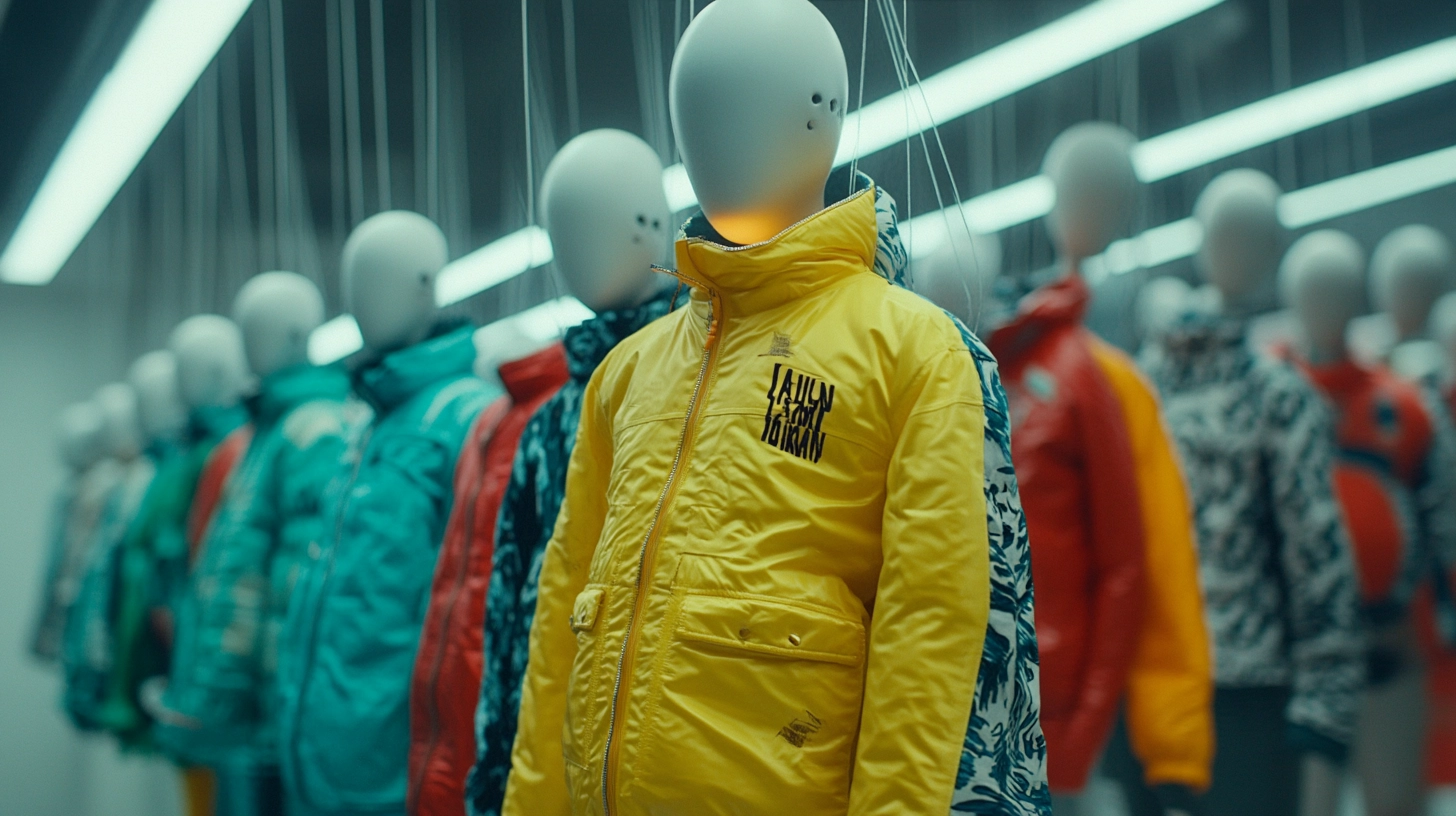
Hoodies are less forgiving than tees. They carry more visual weight, more perceived value, and more brand expectation. A weak hoodie mockup can make a strong identity look suspiciously low-rent in under three seconds.
If you are launching merch or streetwear → use hoodie mockups for brands → because they solve the “this looks like a cheap blank with a logo” problem.
The right hoodie mockup should show:
- fabric structure
- hood shape
- ribbing and cuffs
- realistic drape
- believable chest or back placement
This is not superficial. Perceived garment quality shapes brand perception. People decide whether something feels premium long before they touch it.
That is also why merch mockups for designers need more discipline than most people bring to them. If the hoodie is the hero product, the mockup cannot be generic. It has to make the garment feel intentional.
That is where apparel mockups for clothing brands stop being presentation fluff and start acting like sales assets. For merch, brand perception lives in the garment itself. Good realistic apparel mockups show that clearly before the audience decides your drop looks forgettable.
3. Clothing mockups for branding presentations
Mockup type: multi-garment brand presentation mockups
When to use: client decks, rebrands, launch planning, internal brand reviews
Problem it solves: people approve logos in isolation, then panic when they see them applied
This is where many branding presentations quietly fall apart. The designer shows the logo. The typography. Maybe a color palette grid, because apparently we are all trapped in the same presentation template forever. Then apparel gets treated like an afterthought.
Which is ridiculous, because apparel is often where the brand becomes public, wearable, and judged by people who do not care about your rationale slide.
If you are presenting a clothing identity → use clothing mockups for branding → because they solve the gap between brand theory and brand behavior.
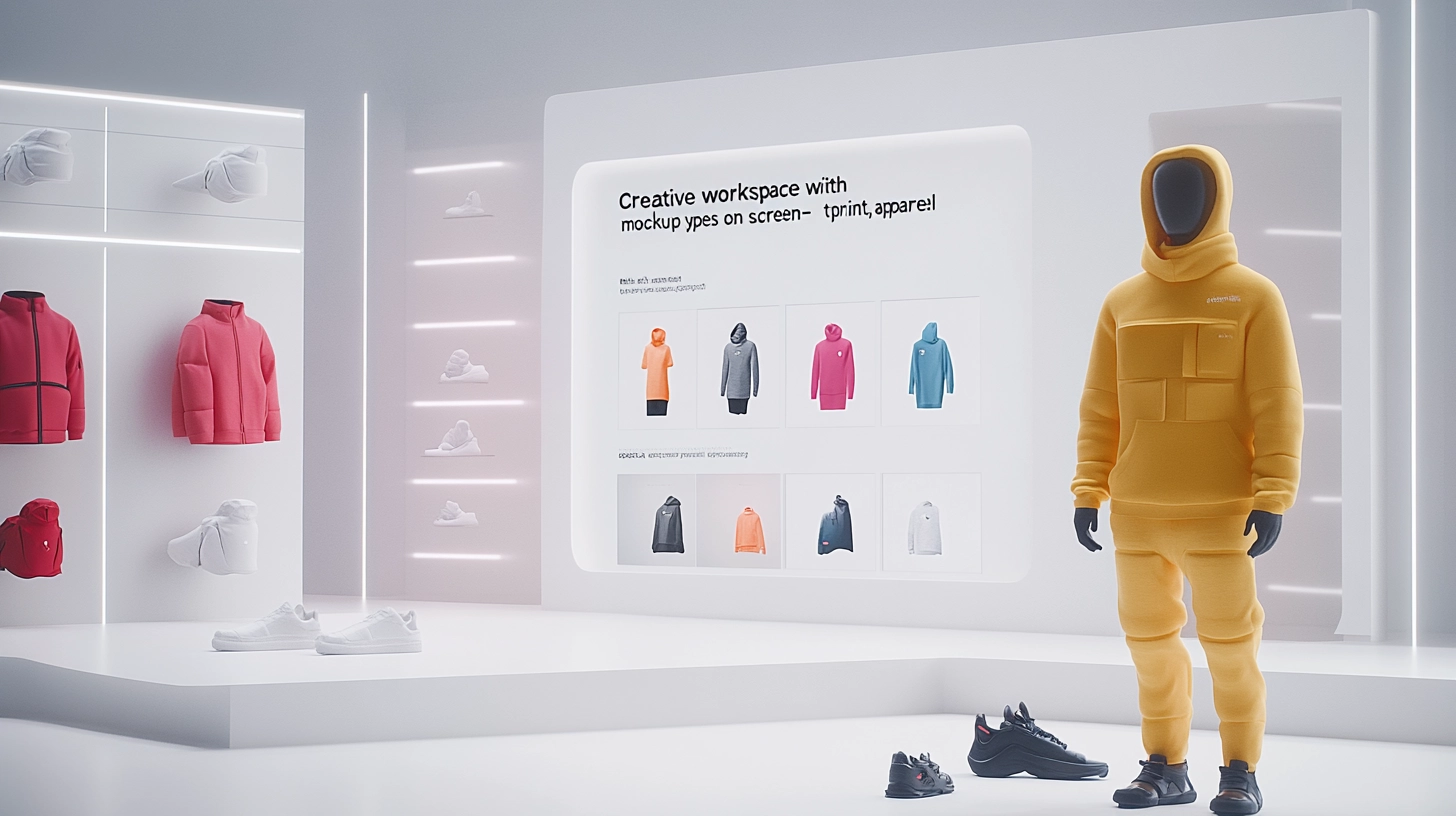
A proper presentation should show the system across multiple applications:
- core T-shirt
- hoodie
- sweatshirt if relevant
- close-up detail crop
- colorway comparison
- front/back hierarchy if the identity uses both
That is how you make a brand feel real instead of academic. The mockup is not there to decorate the deck. It is there to show how the identity performs once it leaves the safe little sandbox of flat vectors.
And if the apparel line is part of a broader product system, the same logic applies beyond clothing too. The minute you need the brand to feel consistent across multiple touchpoints, you are in the same territory as packaging mockups for branding presentations: presentation is what makes the system feel coherent, not just attractive.
4. Clothing mockups for client approval
Mockup type: realistic, low-drama approval mockups
When to use: sign-off rounds, stakeholder review, pre-production checks
Problem it solves: vague feedback happens when people cannot visualize the final garment
Here is a lesson the industry keeps relearning like it has head trauma: approval mockups should not be flashy. They should be obvious.
If you are sending work for sign-off → use clothing mockups for client approval → because they solve ambiguity before it turns into revisions.
For approval, show the things stakeholders actually need:
- actual print size
- actual print position
- garment color accuracy
- front/back relationship
- how the artwork sits near seams, pockets, or folds
This is the practical value of clothing mockups for client approval. They reduce interpretation. And whenever interpretation goes down, nonsense feedback usually goes down with it. That lines up with how stakeholders make design decisions: people respond better when they have enough context to understand what they are evaluating, instead of being asked to react to isolated fragments.
That is where apparel mockups for clothing brands become part of the workflow, not just the presentation. When your team needs to approve real garments, real placement, and real branding decisions, strong apparel product mockups reduce friction, cut revision loops, and protect the final result from “can we just try one more version?” disease.
5. Apparel product mockups for launches
Mockup type: campaign-ready mockup sets across store, social, and deck formats
When to use: collection drops, ecommerce launches, product rollouts, coordinated campaigns
Problem it solves: launch visuals feel disconnected and weaken trust
Launches fail visually when every channel feels like it was assembled by a different person with a different brief and a different level of taste.
If you are launching apparel → use campaign-ready apparel product mockups → because they solve inconsistency across customer-facing and internal assets.
A launch set should include:
- clean ecommerce views
- strong social-friendly visuals
- approval-ready garment views
- close-up details
- consistent styling across garment types
This is how best apparel mockups for clothing brands should function: as a system. Not a random folder of PSDs. Not a desperate last-minute patch. A system.
The actual decision framework
Here. Use this instead of guessing.
If you do POD listings → use clean t-shirt mockups → because they solve buyer hesitation.
If you do creator merch → use hoodie lifestyle mockups → because they solve weak perceived value.
If you do brand presentations → use multi-garment clothing mockups for branding → because they solve abstract feedback.
If you do approval rounds → use clothing mockups for client approval → because they solve revision chaos.
If you do launches → use apparel product mockups → because they solve channel inconsistency.
That is the framework. Product type. Mockup type. Context. Decision.
Not vibes. Not trend-chasing. Not “whatever looked cool in the preview.”
FAQ
What are the best apparel mockups for clothing brands?
The best apparel mockups for clothing brands are the ones matched to the decision you need to support. T-shirt mockups work best for POD and ecommerce clarity. Hoodie mockups work best for merch and premium perception. Multi-garment mockups work best for branding presentations. Realistic approval mockups work best when stakeholders need to sign off on final placement and garment feel.
What apparel mockups should designers use for merch and print-on-demand?
Designers should use t-shirt mockups for print on demand when the goal is product clarity and conversion, and hoodie mockups for brands when the goal is stronger merch perception. If the merch line includes multiple garment types, add apparel product mockups that keep styling and presentation consistent across the drop.
How to present clothing designs using mockups for client approval?
Use clothing mockups for client approval that show real garment views, accurate print placement, front/back relationships, and close-up detail where needed. Keep them realistic and stripped back. Approval mockups should remove doubt, not invite debate. That is the same basic principle behind how to present design work to stakeholders: the work gets stronger buy-in when the presentation makes the decision easier to understand. If people can clearly see the final garment, they approve faster and change less.