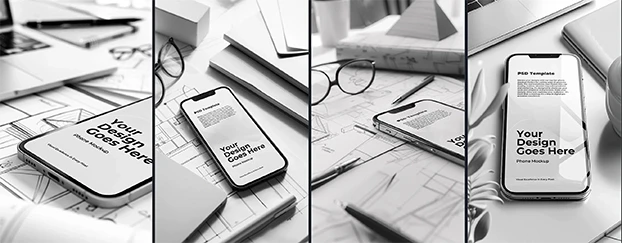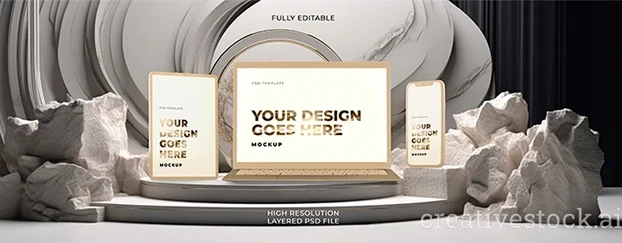

Let me save you from one of the dumbest ways to tank an Etsy shop.
Yes, mockups can make your products look polished, clean, and professional. They can turn a flat design into something that looks like a finished product instead of something photographed on a kitchen counter next to a dying basil plant.
But the moment you start using mockups without understanding licensing rules, Etsy listing expectations, or commercial usage rights, you stop being strategic and start gambling.
If you want the bigger legal picture first, read this guide on AI mockups commercial use legal rules before you publish anything.
So let’s answer the question most sellers quietly hope nobody asks.
Am I legally allowed to sell products using mockups - or am I just hoping no one checks?
That is the entire game.
If you are selling on Etsy with mockups, the answer is usually yes - but only if two conditions are true:
- your mockup license allows commercial use
- your listing images do not mislead buyers about the product they will actually receive
Miss either one and congratulations - your product listing is built on vibes and negligence.
Can You Use Mockups for Etsy Listings Legally?
The phrase “can I use mockups for Etsy” sounds like it should have a simple yes-or-no answer.
It doesn’t.
A mockup is not automatically safe just because you paid for it. That’s toddler logic.
What matters is the license attached to the asset.
Some mockups allow:
- commercial promotional use
- marketplace listing usage
- modified final images
Others restrict:
- resale contexts
- marketplace use
- redistribution of edited files
If you want to see how real commercial licensing is structured, review mockup licensing terms and agreements before using assets in any marketplace listing.
This is why experienced designers ask a different question entirely.
Not:
Did I buy a mockup?
But:
Did I buy the right to use this mockup for this exact purpose?
That difference separates a working shop from a future support ticket.
What “Etsy Mockup Commercial Use” Actually Means
This is where most sellers get sloppy.
Commercial use for mockups usually means you can use the asset to promote your own product.
For Etsy sellers that often includes:
- placing your artwork inside a mockup scene
- exporting the final image
- using that image in a listing preview
What it usually does not mean:
- reselling the mockup file itself
- sharing the PSD file
- distributing the source asset
- claiming authorship of the original scene
- selling the mockup as a standalone digital product
A polished violation is still a violation.
Changing the design inside the PSD does not magically override the license terms.
If you want to see how professional designers actually use mockups in real workflows, this breakdown explains how designers use mockups in commercial work.

Are Mockups Allowed on Etsy Listings?
Yes.
But only when they accurately represent the product being sold.
This is where designers get cranky, and for once we’re right.
A good mockup helps the buyer understand:
- scale
- placement
- color
- format
- layout
A bad mockup sells fantasy.
If the shirt in your listing has dramatic folds, luxury fabric texture, and shadow detail your print provider will never produce, you are not marketing.
You are rehearsing an apology email.
Etsy itself requires sellers to present products honestly and clearly under its seller policies for listing accuracy and product representation.
Mockups are allowed, but misleading presentation can cause complaints, refunds, or listing issues.
The Two Risks Etsy Sellers Keep Confusing
Most problems around mockup usage on Etsy come from mixing up two completely different risks.
1. License risk
This is the “Do I actually have permission?” problem.
If your mockup license does not allow commercial promotional usage, your listing may already be violating the creator’s terms.
Some licenses limit:
- commercial distribution
- marketplace usage
- digital product listings
If you’re unfamiliar with licensing structures, this overview explains how Creative Commons licenses define asset usage rights.
If you didn’t read the license, you’re guessing.
And guessing is not a legal strategy.
2. Listing accuracy risk
This is the “Am I misleading the buyer?” problem.
Even if the license is valid, the image itself can still cause trouble.
Examples include:
- mockups exaggerating product quality
- lighting or texture that cannot exist in the final product
- unrealistic presentation for print-on-demand items
Misleading visuals can also violate FTC guidelines on truthful product advertising, which require marketing materials to accurately represent what buyers receive.
Different problem. Same mess.
Etsy Mockup Copyright Rules Designers Should Actually Read
Mockup licensing is not just about Etsy.
It also involves the rights of:
- the mockup creator
- the photographer
- the licensing platform
- the marketplace where the image appears
Copyright rules around digital and AI-generated content are evolving, and the U.S. Copyright Office guidance on AI-generated works explains how ownership and rights can apply.
Before using a mockup in a listing, check:
- whether commercial promotional use is allowed
- whether modified exports are permitted
- whether marketplace usage is allowed
- whether attribution is required
- whether redistribution is restricted
whether the license differs for free vs paid assets
Most sellers skip this part.
They only start reading licenses after rebuilding half their listings.
What Happens If You Misuse a Mockup on Etsy?
Usually nothing happens immediately.
That’s why people keep doing stupid things.
Then one day something triggers the problem:
- a buyer notices the mismatch
- a creator reports unauthorized use
- a listing gets flagged
- a copyright complaint appears
Etsy processes those cases under its intellectual property policy and copyright reporting system.
Best case scenario:
You redo the listing.
Worst case scenario:
- takedowns
- copyright disputes
- damaged shop trust
- lost listing visibility
All because someone couldn’t be bothered to read six paragraphs of licensing terms.
Quick Etsy Mockup Checklist (Before You Publish Any Listing)
Before uploading a listing image, run through this quick check:
1. License check
Does the mockup license allow commercial promotional use for marketplace listings?
2. Redistribution check
Are you exporting only the final image, not distributing the source file?
3. Accuracy check
Does the mockup realistically represent the product buyers will receive?
4. Production transparency
If you are using print-on-demand, is that clearly disclosed where required?
5. Buyer expectation check
If a customer receives the item shown in the mockup, would they feel misled?
If the answer to any of those questions is “maybe,” fix the image before publishing.
You can also browse professionally licensed mockups designed specifically for commercial presentation.

FAQ
Can I sell products using mockups on Etsy if I bought the mockup file?
Only if the license allows commercial promotional usage. Buying a file does not automatically grant unlimited rights.
Can I use PSD mockups for Etsy listings if I change the design?
Usually yes, but the PSD creator still owns the mockup scene. Your design does not override the asset license.
What is the safest way to use mockups on Etsy?
Use properly licensed mockups, keep the presentation realistic, verify listing accuracy, and double-check licensing terms before publishing.
The Practical Rule Smart Etsy Sellers Follow
After two decades of watching avoidable mistakes repeat themselves in expensive fonts, the rule is simple.
Before publishing any listing ask yourself:
Do I have the right to use this mockup commercially, and does this image honestly represent the product I’m selling?
If the answer is not a confident yes to both questions, don’t publish it.
That is how professionals operate.
Everyone else is just hoping nobody checks.
If you want mockups with clear commercial licensing terms, check CreativeStock pricing and licensing options before building your listings.